
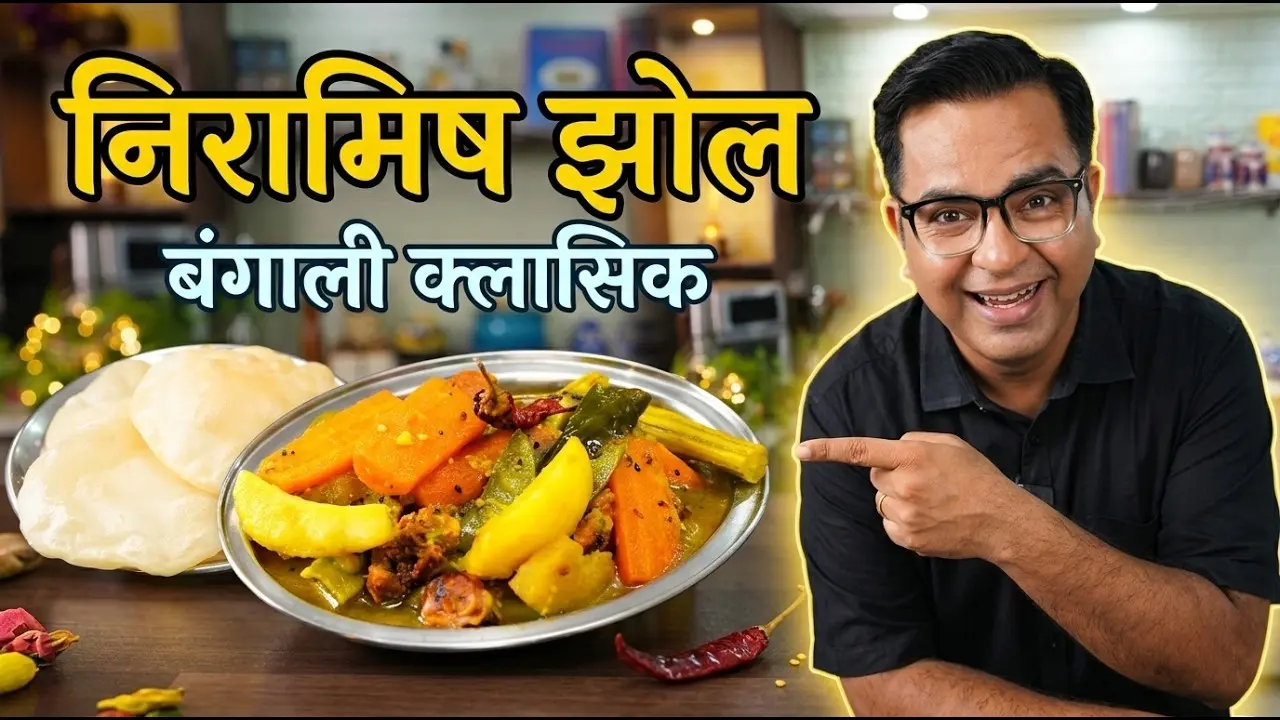
Bengali Niramish Jhol — A Simple, Soulful Mixed Vegetable Dish

30 Mins

3-4 People
20 Mins
Bengali Niramish Jhol — A Simple, Soulful Mixed Vegetable Dish
Did you know that Bengal has a beautiful mixed vegetable dish that barely gets talked about — even though it is absolutely delicious? Most people have heard of Shukto, Bengal's famous bitter-vegetable dish, but Niramish Jhol is the one that I think deserves a lot more love. I came across this dish and honestly, from the moment I tasted it, I knew I had to share it with everyone.
Niramish Jhol is everything I love about simple home cooking — seasonal vegetables, mustard oil, a quick tadka of panch phoran, and that's it. No fancy masalas, no complicated steps. Just honest, real flavours that taste incredible. Think of it like Bengal's answer to Gujarat's Undhiyu — lots of vegetables, cooked together, coming out absolutely stunning. Let me show you how to make it.
Ingredients of Niramish Jhol
Servings: 3–4
Prep Time: 20 minutes
Cooking Time: 25–30 minutes
Vegetables
- Drumstick — 2 pcs
- Baingan (Brinjal) — 1 pc
- Raw Banana — 2 pcs
- Carrot — 2 pcs
- Potatoes — 2–3 pcs
- Sem Phali / Papdi — 10–12 pcs
- Safed Kaddu (White Pumpkin) — 250 gms
For Making Niramish Jhol
- Mustard Oil — 2 tbsp
- Moong Dal Wadi — 4–5 pcs
- Salt — 1 tsp
- Turmeric Powder — 1 tsp
- Ginger & Green Chilli Paste — 1 tbsp
- Water — a splash
- Sugar — 1 tsp
For the Tadka
- Mustard Oil — 1–2 tbsp
- Bay Leaf — 1 pc
- Dry Red Chilli — 3 pcs
- Panch Phoran — 1 tsp
Instructions of Niramish Jhol
Step 1: Prep All the Vegetables
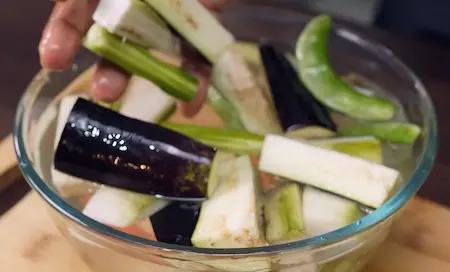
Wash all the vegetables properly. Cut the drumsticks into medium-sized sticks and peel them — the easy way is to peel from the sides so the hard outer layer comes off cleanly. This helps them cook faster. Cut the brinjal into long, big wedges. Cut the raw banana into small pieces first, then peel — it's much easier that way. Make sure you remove most of the green skin so the banana tastes great. Cut the potatoes and carrots into thick long batons. Deseed the white kaddu and cut into chunks — no need to peel. String the sem phali/papdi (remove the thread on the side) and cut into halves.
Step 2: Fry the Moong Dal Wadi
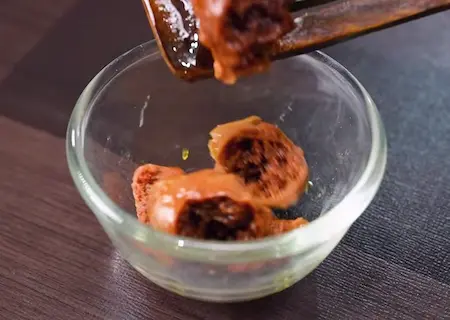
Heat mustard oil in a kadhai. Add the moong dal wadis and fry them till they turn golden brown and crispy. Once done, remove them and keep them aside. These wadis are going to add a wonderful, deep flavour to the Niramish Jhol — especially at the very end when they soak up all the juices.
Step 3: Cook the Hard Vegetables First
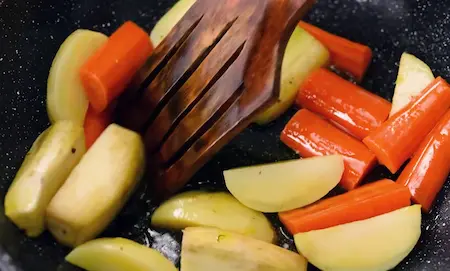
In the same pan with the mustard oil, add the potatoes, raw banana and carrots first. These are the hardest vegetables and they take the longest to cook. Sauté them on medium heat till they get a light golden colour — about 3 to 4 minutes. The mustard oil flavour starts to coat these vegetables beautifully at this stage.
Step 4: Add the Remaining Vegetables
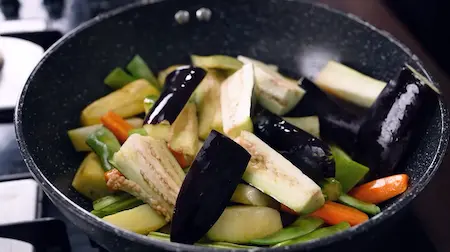
Now add the drumsticks, brinjal, papdi and white kaddu into the pan. Mix everything together gently so all the vegetables combine evenly. At this stage, the pan will be full — and that's exactly how it should look!
Step 5: Add Basic Seasoning
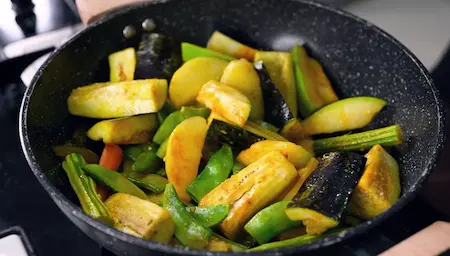
Add salt and turmeric powder. Sauté everything well so the spices coat every piece of vegetable. This step is important — the mustard oil and turmeric together give the dish its signature earthy, golden look and taste.
Step 6: Add Aromatics and Cook Covered
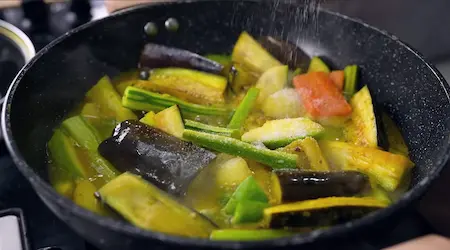
Add ginger and green chilli paste directly into the pan — no tempering needed for this. Just mix it in well. Add a small splash of water, put the lid on and cook on medium heat for 7 to 8 minutes. The brinjal will almost melt into the dish, and that's perfectly fine. Just don't stir too hard or too often — gentle hands keep the vegetables intact and prevent them from getting mushy.
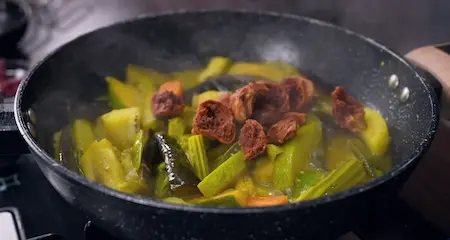
Step 7: Add the Fried Moong Dal Wadi
Break the fried wadis slightly and add them back into the cooked vegetables. Mix gently so they absorb all the lovely flavours of the sabzi. These little guys are what make Niramish Jhol truly special — don't skip them.
Step 8: Prepare the Panch Phoran Tadka
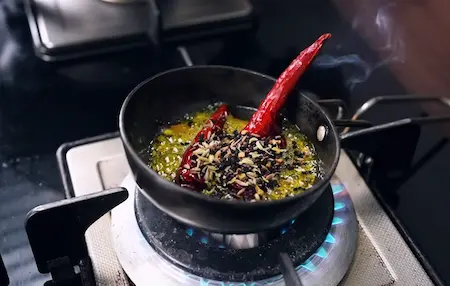
In a separate small pan, heat mustard oil. Add a bay leaf, dried red chillies and panch phoran. Let everything crackle and sizzle for a few seconds till the oil turns aromatic and fragrant. This tadka is Bengal's favourite and it smells absolutely incredible.
Step 9: Final Tempering and Serve
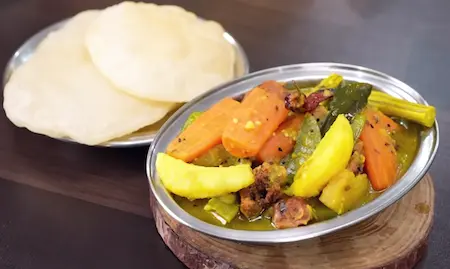
Pour the hot, sizzling tadka directly over the cooked vegetables and mix well. Your Niramish Jhol is ready. Serve it hot with luchi, ghee rice, phulke or even simple steamed rice — it goes with everything and tastes amazing every time.
About This Bengali Niramish Jhol Recipe
Niramish Jhol is one of those dishes that I think is seriously underrated. Everyone talks about Shukto when it comes to Bengali vegetarian cooking, but Niramish Jhol quietly sits there — so simple, so flavourful, and so completely satisfying. I love this dish because it asks very little of you but gives you so much in return.
What makes this dish special is the combination of vegetables. You have your soft ones — brinjal, papdi — and your firmer ones like potatoes, raw banana and drumsticks. Each one brings something different to the table. The raw banana adds body, the drumstick adds sweetness and texture, and the brinjal almost melts into the dish, acting like a thickening agent.
The backbone of Niramish Jhol is mustard oil. There is no onion, no garlic, no big masala here. Just the raw, punchy flavour of mustard oil doing all the heavy lifting — and it does a brilliant job. The ginger-green chilli paste adds a gentle heat without overpowering anything. And the panch phoran tadka at the end? That is what ties everything together beautifully.
The moong dal wadi is a small but mighty ingredient in this recipe. Frying it first in mustard oil builds a flavour base, and adding it back at the end means it soaks up all the vegetable juices and becomes incredibly tasty. It's the kind of detail that makes a home-cooked dish feel special.
I always say — simple flavours are true flavours. This dish is proof of that. Once you make it, you will understand exactly what I mean.
Cooking Tips for the Perfect Niramish Jhol
Peel the drumsticks properly. The outer skin of drumsticks is tough and fibrous. Peel it from the sides using a knife — it comes off easily and makes the drumsticks cook faster and taste better.
Cut the raw banana into small pieces before peeling. Trying to peel a whole raw banana is tricky. Cut it into smaller sections first and then peel each piece — it's much easier and quicker.
Always cook the harder vegetables first. Potatoes, carrots and raw banana take the longest to cook. Give them a 3–4 minute head start in the pan before adding the softer vegetables. This ensures everything is evenly cooked by the end.
Don't stir too hard or too often. Once all the vegetables are in and cooking covered, stir gently and only when needed. Too much stirring will break everything down and you'll end up with a mash instead of a jhol.
Let the brinjal do its thing. The brinjal will almost dissolve into the dish while cooking — and that's completely fine! It acts as a natural thickener. Don't worry if some pieces break apart.
Remove the thread from sem phali/papdi. Always string the papdi before cooking. That fibrous thread doesn't soften even after cooking, so removing it is important for a pleasant bite.
Fry the wadis till crispy golden. Don't rush the wadi frying step. A properly golden-brown wadi will have much deeper flavour and a better texture when added back into the dish.
Pour the tadka over hot vegetables. The tadka should be piping hot when you pour it over the dish. That sizzle and crackle is what releases the full aroma of the panch phoran and makes the dish come alive.
Pairing Guide — What Goes Best with Niramish Jhol
Luchi (Bengali Puri): This is the classic pairing. Luchi — the flaky, puffed deep-fried bread made from maida — is Bengal's favourite bread and it goes absolutely perfectly with Niramish Jhol. The soft, airy luchi scoops up the light curry beautifully.
Ghee Bhat (Ghee Rice): A bowl of hot steamed rice finished with a spoon of ghee is another stunning pairing. The richness of the ghee complements the simplicity of the Niramish Jhol wonderfully.
Steamed Rice: Plain steamed rice works just as well. The light, watery consistency of Niramish Jhol makes it a perfect accompaniment for simple rice — like a dal-rice combo but with much more going on.
Phulke or Roti: For an everyday meal, phulke or regular whole wheat roti pair really nicely with this dish. The mildness of the Niramish Jhol makes it very versatile across different breads.
Parathas: If you want something a bit more indulgent, a simple paratha alongside Niramish Jhol is a satisfying, hearty combination — great for a weekend lunch.
Frequently Asked Questions About Bengali Niramish Jhol
1. What is Bengali Niramish Jhol?
Bengali Niramish Jhol is a traditional vegetarian mixed vegetable curry from Bengal. "Niramish" means without meat, and "Jhol" means a light, watery curry. It uses seasonal vegetables like drumstick, brinjal, raw banana, potatoes and papdi, cooked in mustard oil and finished with a panch phoran tadka. It is simple, comforting and incredibly flavourful.
2. What vegetables go into Niramish Jhol?
Niramish Jhol typically uses a mix of vegetables — drumsticks, brinjal, raw banana, carrot, potatoes, sem phali (papdi) and safed kaddu (white pumpkin). You can think of it like Bengal's version of Undhiyu from Gujarat — lots of seasonal vegetables cooked together. The key is using a variety so every bite tastes a little different.
3. Can I make Niramish Jhol without mustard oil?
Technically yes, but I wouldn't recommend it. Mustard oil is the soul of Niramish Jhol. Its sharp, punchy flavour is what makes this dish taste authentically Bengali. If you absolutely don't have it, use a neutral oil — but know that the final dish will taste quite different from the real thing.
4. What is panch phoran and why is it used in Niramish Jhol?
Panch phoran is a Bengali whole spice blend made of five seeds — fenugreek, nigella, cumin, black mustard and fennel. It is used in the final tadka of Niramish Jhol and gives the dish its signature aroma and flavour. It crackles in hot mustard oil and releases an incredible fragrance that ties the whole dish together.
5. What is moong dal wadi and is it important?
Moong dal wadi is a small sun-dried dumpling made from moong dal. It is fried crispy in mustard oil before the vegetables are cooked and then added back at the end of making Niramish Jhol. It soaks up all the vegetable juices and adds a wonderful depth of flavour. I would say it's an important part of the dish — don't skip it if you can find it.
6. How long does it take to make Niramish Jhol?
Most of the time in making Niramish Jhol goes into prepping the vegetables — washing, peeling and cutting all of them takes about 15–20 minutes. Once that's done, the actual cooking takes about 25–30 minutes. So you're looking at roughly 45 minutes from start to finish for a full pot of this beautiful curry.
7. What do you serve with Niramish Jhol?
Niramish Jhol is traditionally served with luchi — the Bengali-style puffed puri made from maida. But it also goes really well with ghee bhat (ghee rice), plain steamed rice, phulke or even parathas. It is a very versatile dish that pairs well with most Indian breads and rice preparations.
8. Is Niramish Jhol spicy?
No, Niramish Jhol is mildly spiced. The heat comes only from ginger-green chilli paste and the dry red chillies in the tadka. It is a gentle, comforting curry — not fiery at all. This makes it a great dish for people who prefer lighter, subtler flavours in their food.
9. Can I use different vegetables in Niramish Jhol?
Yes, you can adjust the vegetables based on what is available to you. The key is to use a mix of firm and soft vegetables so you get a variety of textures. The harder vegetables like potato and raw banana go in first, and the softer ones like brinjal and papdi go in later. As long as you follow that logic, you can swap or add vegetables based on the season.
10. How is Niramish Jhol different from Shukto?
Both are classic Bengali vegetarian dishes, but they are quite different. Shukto is known for its bitter flavour — it traditionally uses bitter gourd as a key ingredient and has a slightly sweet-bitter taste. Niramish Jhol, on the other hand, is mild, light and savoury with no bitterness at all. Shukto gets a lot of attention, but Niramish Jhol is equally delicious — just less talked about, which is exactly why I wanted to make and share this recipe.