
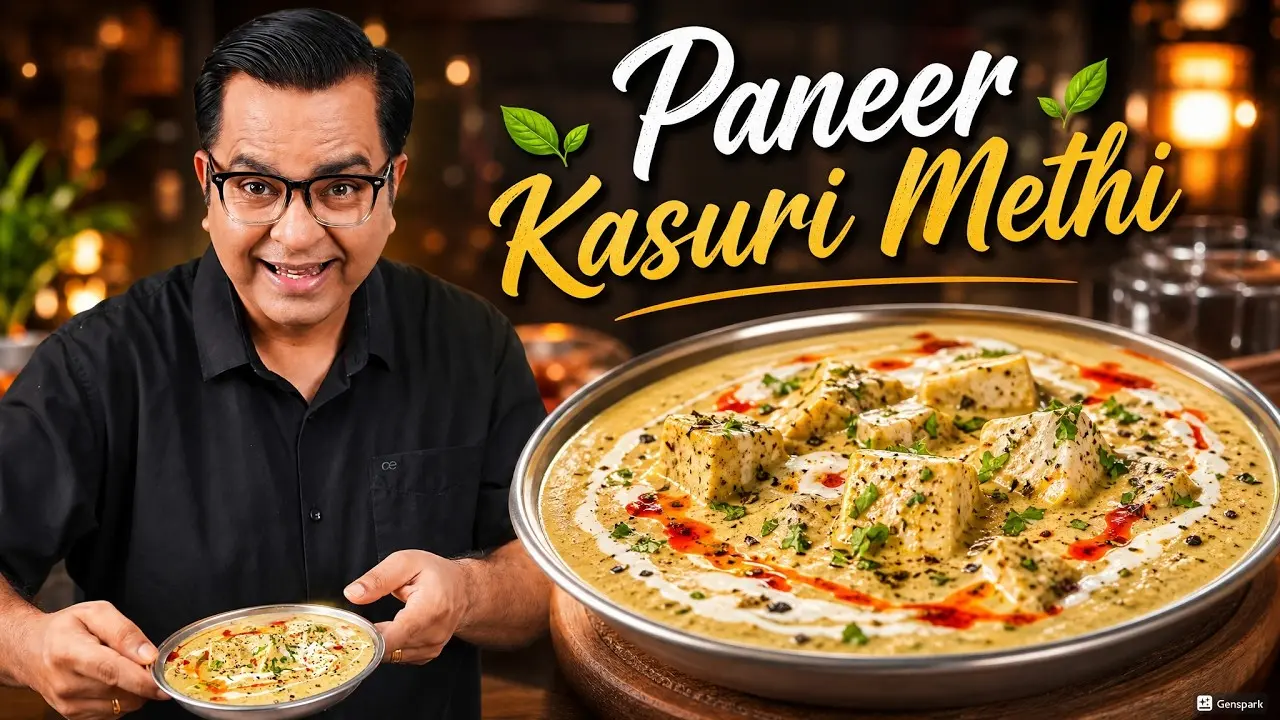
Dhaba Style Paneer Kasuri Methi | Creamy, Rich & Loaded with Flavour

50 Mins

4-5 People

05 Mins
Dhaba Style Paneer Kasuri Methi — Creamy, Rich & Loaded with Flavour
If you have ever watched MasterChef and seen the judges drop their spoons in silence — that is exactly what I call a spoon-drop moment dish. And this Dhaba Style Paneer Kasuri Methi is one of those dishes for me. Soft, silky paneer sitting in a makhani-style white gravy loaded with kasuri methi and a gentle hit of black pepper — it is the kind of dish that makes you close your eyes after the first bite.
Here is the real win: if you order this Paneer Kasuri Methi at a restaurant, you are looking at ₹500–₹600 on the bill. Make it at home with me and the whole family eats for around ₹150. Same flavour, same restaurant feel — just your own kitchen. Let me show you exactly how I make it, step by step.
Ingredients of Dhaba Style Paneer Kasuri Methi
Portions/Servings: 4–5 pax
Preparation Time: 05 mins
Cooking Time: 50 mins
For Base Gravy:
- Oil — 1 tbsp
- Bay leaf — 1½ pcs
- Cinnamon — ½ inch
- Onion — 4 pcs (roughly chopped)
- Cashew nuts (soaked) — 10–12 pcs
- Water — as required
- Coriander stems — 10–15 pcs
For Paneer Kasuri Methi:
- Oil — 1 tbsp
- Jeera — 1 tsp
- Ginger & garlic paste — 1½ tbsp
- Kasuri methi — 1 tbsp
- Prepared base gravy
- Salt — 1 tsp
- Black pepper — ½ tsp
- Kitchen King masala — 1 tbsp
- Fresh cream — 1 tbsp
- Paneer (grated) — 100 gms
- Paneer (cut into triangles) — 250 gms
- Coriander (chopped) — 1 tsp
Instructions of Dhaba Style Paneer Kasuri Methi
Step 1: Prepare the Gravy Base
Heat oil in a pot and add the bay leaf and cinnamon. Sauté for a few seconds until aromatic. Add the roughly chopped onions and cook on medium heat until they soften and begin to sweat — you just want that raw onion smell to go away, about 2 to 3 minutes. Do not brown them fully. Add the soaked cashew nuts and enough water to cover the ingredients. Let the mixture boil gently until the onions are completely soft and the cashews are tender. Add the coriander stems — please do not throw these away, they have so much flavour — and simmer for another minute to infuse their flavour into the gravy. Switch off the flame and allow the mixture to cool completely.
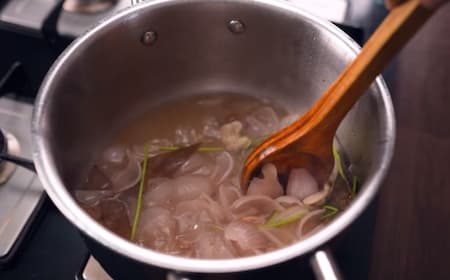
Step 2: Blend the Smooth Gravy
Transfer the cooled onion and cashew mixture to a blender. Remove the bay leaf and cinnamon before blending. Blend until you get a smooth, creamy paste without any lumps. If required, add a little water while blending to achieve a silky consistency. This paste is the foundation of the Paneer Kasuri Methi — no paste, no gravy. Keep it aside.

Step 3: Prepare the Tempering
Heat oil in a pan and add jeera. Allow it to crackle and release its aroma. Add the ginger-garlic paste and sauté on medium flame until the raw smell completely disappears and the paste turns aromatic and golden.
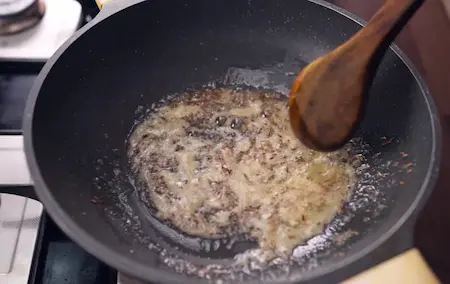
Step 4: Cook the Kasuri Methi Gravy
Add crushed kasuri methi to the pan and sauté briefly for 1 to 2 minutes to release its full flavour into the oil. Pour in the prepared cashew-onion gravy paste and mix well. Cook on medium flame, stirring occasionally, for 8 to 10 minutes until the gravy thickens slightly and develops a rich, creamy texture. Add salt, black pepper powder, and kitchen king masala. Mix well and continue cooking until all the flavours come together beautifully.
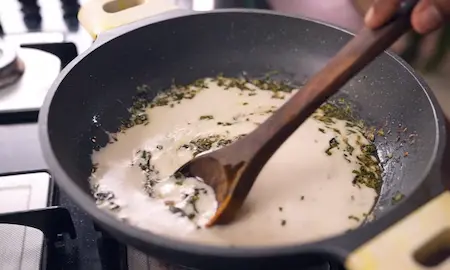
Step 5: Add the Paneer
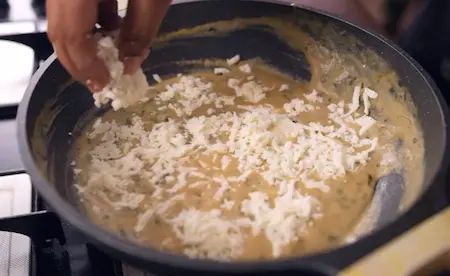
Add the grated paneer into the gravy and mix it in well. This is the trick — the grated paneer gives the curry that rich, restaurant-style body and texture, replacing the dahi that hotels use. Next, add the paneer triangles and gently coat them with the gravy. If you prefer a firmer bite, you can lightly pan-fry the paneer triangles beforehand — but fresh soft paneer straight into the gravy works equally well and gives a beautifully melt-in-the-mouth result.
Step 6: Simmer the Curry
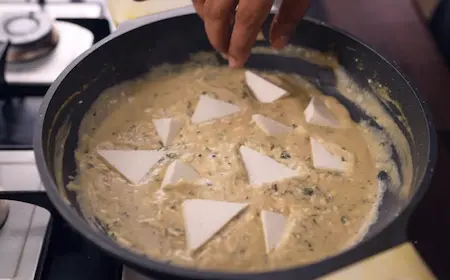
Allow the paneer to simmer in the gravy for 1 to 2 minutes. This helps the paneer absorb all the flavours of the creamy kasuri methi gravy while remaining soft and tender. Do not overcook — paneer becomes chewy and rubbery if it sits on the flame too long.
Step 7: Final Finish
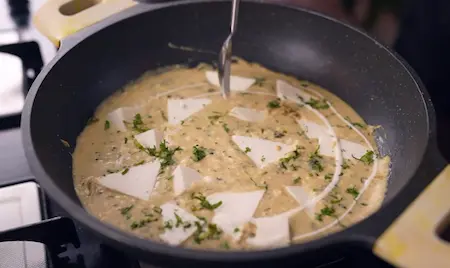
Add the fresh cream and gently stir it into the curry. This enriches the gravy and gives it that smooth, luxurious, makhmal-like finish. Taste and adjust the seasoning if required.
Step 8: Garnish & Serve
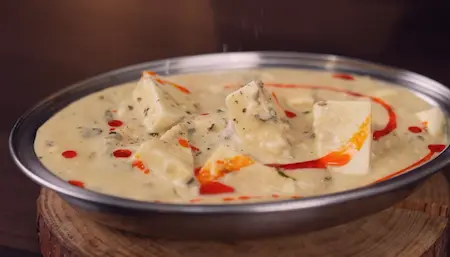
Transfer the hot Paneer Kasuri Methi to a serving dish. Garnish with chopped fresh coriander and a drizzle of fresh cream. Serve hot with lachha paratha, butter naan, roti, or jeera rice for a rich and comforting dhaba-style meal at home. Enjoy the spoon-drop moment!
About This Paneer Kasuri Methi Recipe
The heart of this Paneer Kasuri Methi is the cashew and onion paste. I always say — no paste, no gravy. It is the foundation. Without getting that smooth, creamy base right, the rest of the dish simply does not come together the way it should. That is why I never skip this step, even when I am in a hurry.
What I love about this recipe is how I have cut down the restaurant-style process without cutting down the taste. Hotels and dhabas usually add dahi (yogurt) to white gravies and then spend extra time cooking it out. I skipped the dahi completely. Instead, I grate a small amount of paneer directly into the gravy — it gives you that same body, that same slightly grainy richness, without the extra effort. Smart shortcut, same result.
The coriander stems are something most people throw away. Please don't. There is real flavour in those stems. I add them while the gravy is simmering and they make a noticeable difference. You can also wash them, dry them well, wrap them in a clean cloth and store them in the fridge — they last a good 7 to 10 days without going bad.
As for the paneer, I use fresh soft paneer for this dish. You do not need to fry it. Frying paneer is something restaurants do in bulk because they are stirring huge deghs and don't want the paneer to break. At home, with a regular kadhai, fresh paneer straight into the gravy works beautifully. Two to three minutes in the simmering gravy and it becomes silky, soft and full of flavour.
The final touch — fresh cream stirred in at the end — gives the Paneer Kasuri Methi that luxurious, makhmal-like finish. Garnish with chopped coriander, serve it hot with lachha paratha or naan, and trust me, it is going to be a spoon-drop moment at your dining table too.
Cooking Tips for the Best Paneer Kasuri Methi
- Soak your cashews beforehand. Soaked cashews blend much faster and give you a smoother gravy without needing to boil the mixture for too long. If you forget to soak them, no problem — just add a bit more simmering time when making the base.
- Do not over-brown the onions for the base paste. You only want to sweat the onions until their raw smell disappears — about 2 to 3 minutes. Over-browning will change the colour and taste of your white gravy.
- Cook the kasuri methi in the oil before adding the paste. Give it 1 to 2 minutes in the hot oil after the ginger-garlic paste is ready. This unlocks the full flavour of the kasuri methi and is the reason this dish tastes like it came from a dhaba.
- Use grated paneer as a thickener. This is my trick to replace dahi in the gravy. It adds body and a restaurant-style texture without adding any sourness or the extra cooking time that dahi needs.
- Do not overcook the paneer. Once the paneer triangles go in, 2 to 3 minutes is all they need. Overcooking makes paneer rubbery and chewy — you want it soft and melt-in-the-mouth.
- Add fresh cream at the very end. Adding cream too early can cause it to split or reduce too much. Stir it in at the final stage, off or on low heat, for that smooth velvety finish.
- Use coriander stems, not just the leaves. The stems carry a lot of flavour. Add them while the base is simmering, then use the leaves for garnish at the end.
Pairing Guide — What Goes Best with Paneer Kasuri Methi
This Paneer Kasuri Methi is a rich, creamy curry and it pairs beautifully with breads that can scoop up that thick, makhmal gravy.
Best Bread Pairings:
- Lachha Paratha — the layered, flaky texture is perfect for this gravy
- Butter Naan — classic dhaba pairing, cannot go wrong
- Tandoori Roti — slightly charred and earthy, balances the creaminess
- Plain Phulka — if you want a lighter, everyday option at home
Rice Pairings:
- Jeera Rice — the simplicity of jeera rice lets the Paneer Kasuri Methi shine
- Pulao — a mildly flavoured vegetable pulao pairs well for a complete meal
- Plain steamed basmati rice — works great if you want something simple
Side Dishes:
- Onion salad with lemon and chaat masala
- Green chutney on the side for contrast
- Raita — the cool yogurt balances the richness of the gravy beautifully
Drinks:
- Lassi (sweet or salted) — a classic North Indian pairing
- Chaas (buttermilk) — light and refreshing alongside a rich curry
- Masala chai — for after the meal, the spices complement the kasuri methi beautifully
Frequently Asked Questions About Paneer Kasuri Methi
1. What is Paneer Kasuri Methi?
Paneer Kasuri Methi is a popular North Indian curry made with soft paneer cooked in a creamy cashew and onion-based white gravy, flavoured heavily with dried fenugreek leaves (kasuri methi) and black pepper. It is a rich, restaurant-style dish that is commonly found in dhabas across India.
2. Why does Paneer Kasuri Methi taste different at restaurants?
Restaurants usually make a large batch of white gravy base in advance, cook the kasuri methi in hot oil to bring out its full aroma, and sometimes add dahi for extra body. In my version, I skip the dahi and use grated paneer instead — same richness, less effort, and honestly just as good.
3. Can I use fresh methi instead of kasuri methi?
Kasuri methi (dried fenugreek) has a much more concentrated, slightly smoky flavour compared to fresh methi. For this specific Paneer Kasuri Methi recipe, dried kasuri methi is what gives the dish its signature taste. Fresh methi will change the flavour profile and make the gravy slightly bitter, so stick to kasuri methi for the best result.
4. Do I need to fry the paneer before adding it to the gravy?
No, you do not need to. I specifically mention in my recipe that frying paneer is a restaurant practice done to prevent it from breaking in large batches. At home, fresh soft paneer goes straight into the gravy — it absorbs all the flavours and stays beautifully soft. If you prefer a firmer bite, you can lightly pan-fry it, but it is completely optional.
5. Why do we soak cashews before making the Paneer Kasuri Methi gravy base?
Soaking cashews softens them, which means they blend faster and give you a much smoother, silkier paste. If you use dry cashews, the gravy will take longer to cook and may not blend as smoothly. That said, if you forget to soak them, just simmer them a little longer in the onion base — they will still work fine.
6. What is the role of grated paneer in this recipe?
The grated paneer is my replacement for dahi in this white gravy. It gives the Paneer Kasuri Methi gravy that slightly thick, dardara (textured) consistency that you get in restaurant-style white curries, without the extra time needed to cook out the sourness of dahi. It also adds richness and body to the gravy naturally.
7. Can I make Paneer Kasuri Methi ahead of time?
Yes, you can prepare the cashew-onion base paste a day ahead and store it in the fridge. When ready to cook, just heat the pan, do the tempering, add the kasuri methi, pour in the paste and carry on. The final dish with paneer is best eaten fresh since paneer can become chewy if reheated too many times.
8. How much does it cost to make Paneer Kasuri Methi at home vs at a restaurant?
At a restaurant, a decent serving of Paneer Kasuri Methi will easily cost you ₹500 to ₹600. Making a full kadhai at home for the whole family costs around ₹150. Same flavour, same satisfaction — just made with your own hands in your own kitchen.
9. What is Kitchen King masala and can I substitute it?
Kitchen King masala is a blend of multiple spices — cumin, coriander, turmeric, pepper, cardamom and more — commonly used in North Indian restaurant cooking to add a layered, complex flavour quickly. If you do not have it, you can use a mix of garam masala with a pinch of coriander powder and cumin powder as a rough substitute, though Kitchen King gives a more rounded flavour for Paneer Kasuri Methi.
10. What should I serve with Paneer Kasuri Methi?
Paneer Kasuri Methi pairs best with lachha paratha, butter naan or tandoori roti. If you prefer rice, serve it with jeera rice or a simple pulao. A side of onion salad, green chutney and a glass of sweet lassi or chaas makes it a complete dhaba-style meal at home.